The Reel Thing: What It Takes to Keep 35mm Nights Sold Out in 2026
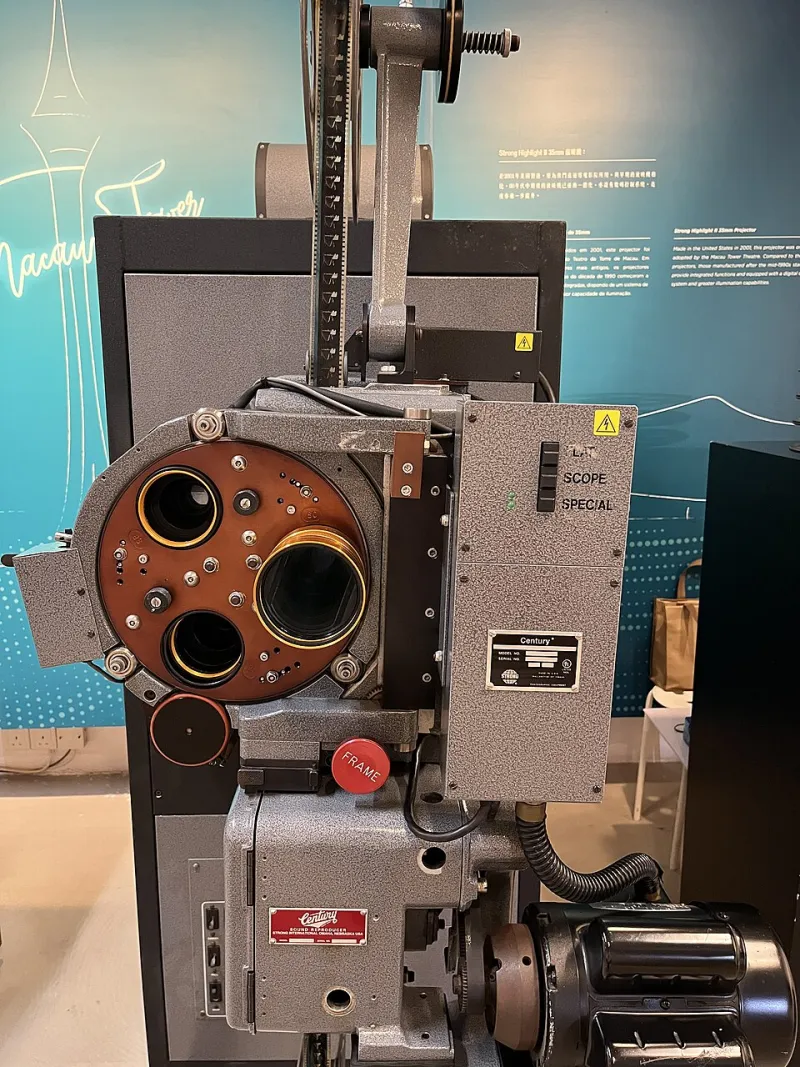
Photo: Steven Sun, CC BY-SA 4.0, via Wikimedia Commons
A Tuesday night in a small American city, and the indie house is full. Not for a new release with a marketing budget, but for a 35mm print of a movie that first ran when most of the audience was not born. The line curls past the poster case. Inside, the seats squeak and the air smells faintly of popcorn and old carpet. Upstairs, the projectionist is not feeling nostalgic. They are checking a reel.
That is the first thing to understand about the 35mm nights that keep selling out in 2026. The romance is real, but it is downstream of labor. A print does not arrive ready to dream. It arrives as cargo.
The Booth Is a Workshop, Not a Shrine
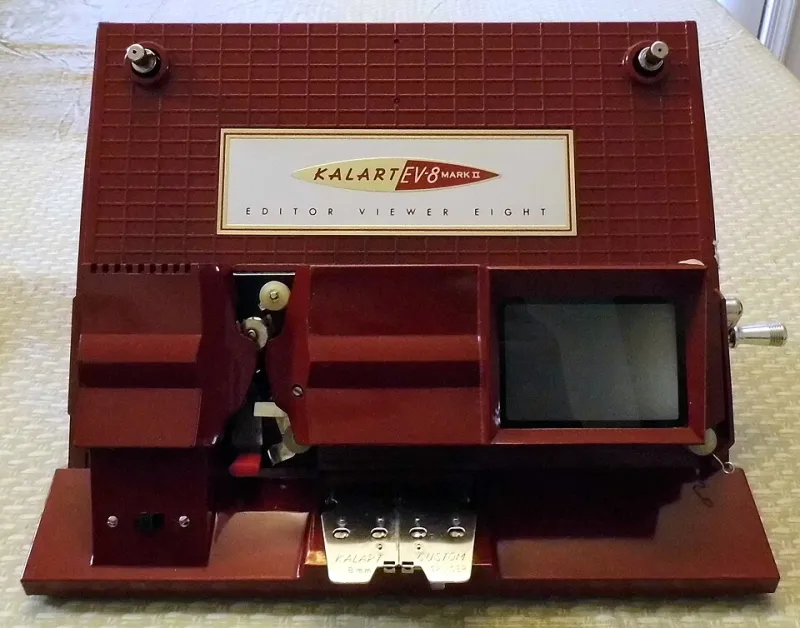
A good booth smells like oil, dust, and hot lamp. There is a rewinding bench, a splicer, a stack of leader, cotton gloves, a magnifier, and a log sheet. The projectionist inspects every reel before it goes anywhere near the gate. They look for edge damage, emulsion scratches, sprocket tears, and the dreaded vinegar smell that signals a print is breaking down chemically. They check for old splices—some clean, some lumpy, some held together with tape that has been waiting decades for a reason to fail.
A 35mm show is a physical performance. The projectionist threads the machine, sets focus and framing, watches the screen, and listens. They are not pressing play. They are riding a mechanical system through the evening. In a two-projector house, they are timing changeovers by cue dots. In a platter house, they are still watching for drift, damage, and the moment a splice decides to announce itself.
What the Night Actually Costs
Shipping alone is a small logistics operation. Prints travel in heavy cans, often by freight, and they need insurance because replacing a damaged reel is not like replacing a hard drive. Climate matters. So does handling. A print that sits in a hot truck or a damp basement can arrive with a problem that no amount of careful projection can fix.
Then there is inspection time. A conscientious booth will check every reel, repair what can be repaired, and note what cannot. Cue dots have to be placed or confirmed—those little marks in the corner of the frame that tell the projectionist when to switch projectors or trigger a sound cue. Splicing tape has to be fresh. Leader has to be attached. The gate has to be clean. The sound head has to be aligned, especially if the print carries an optical track that has been through a few decades of projectors.
And yes, insurance. Small exhibitors talk about it the way other people talk about rent. A single 35mm screening can carry more liability than a week of digital shows, because the print is a unique object with a history and a replacement cost. That is part of why these nights are events. They are not cheap to run. They are not supposed to be.
How to Spot a Great Analog Screening
You do not need to be a projectionist to read the room. Start with the image. Is it steady? Is the frame properly masked, or are you seeing stray edges of the frame? Does the focus hold through the reel, or does it drift? A great 35mm show is not scratch-free—prints age, and splices are part of their biography—but it is cared for. The gate is clean. The changeovers are smooth. The cue dots do not flash on screen like accidental punctuation.
Listen, too. Optical sound has a texture, but it should not be muddy or distorted. If the theater is running a restored print with a proper sound setup, dialogue will sit naturally in the room. If something feels off, it often is. Good booths notice before the audience does.
Ask about the print. Repertory houses that care will often tell you where it came from, whether it is a studio archive print or a private collector's copy, and what condition it is in. Some theaters even do post-show booth tours. Take one. The projectionist's log sheet is more interesting than most DVD extras.
Why the Room Still Fills
A 35mm night is a third space in the way a good bookstore or a neighborhood bar is a third space. It is not home, not work, not a streaming queue. It is a room full of strangers agreeing to watch a beam of light pass through celluloid at twenty-four frames per second. The limitation is the point. You cannot pause it. You cannot scroll. You are in it together.
For indie film, that matters. Small exhibitors use 35mm as anchor programming—a reason to leave the house, a reason to buy a ticket, a reason to trust the room. The print becomes the headliner. The movie is the reward. And the projectionist, often underpaid and over-skilled, is the person making the whole thing hold together.
The Note in the Can
Many prints travel with a log sheet: a record of past screenings, repairs, and the occasional handwritten warning. "Reel 3 splice at 1,200 ft—watch gate." "Sound drop at changeover. Adjust." It is a paper trail of care. The projectionist adds their own note before the cans go back out. Not a review. A handoff.
So when the lights go down and the first reel starts, look at the screen, then look up toward the booth. Someone is there, watching the frame, listening to the room. The night is not a relic. It is a shift. And in 2026, it is still selling out.