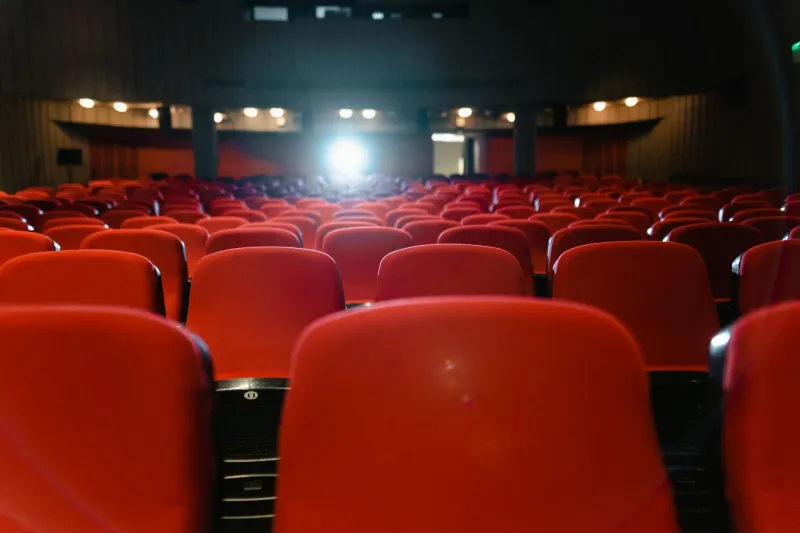
Prime Time Is a Co-Star: The Unwritten Math of Festival Scheduling
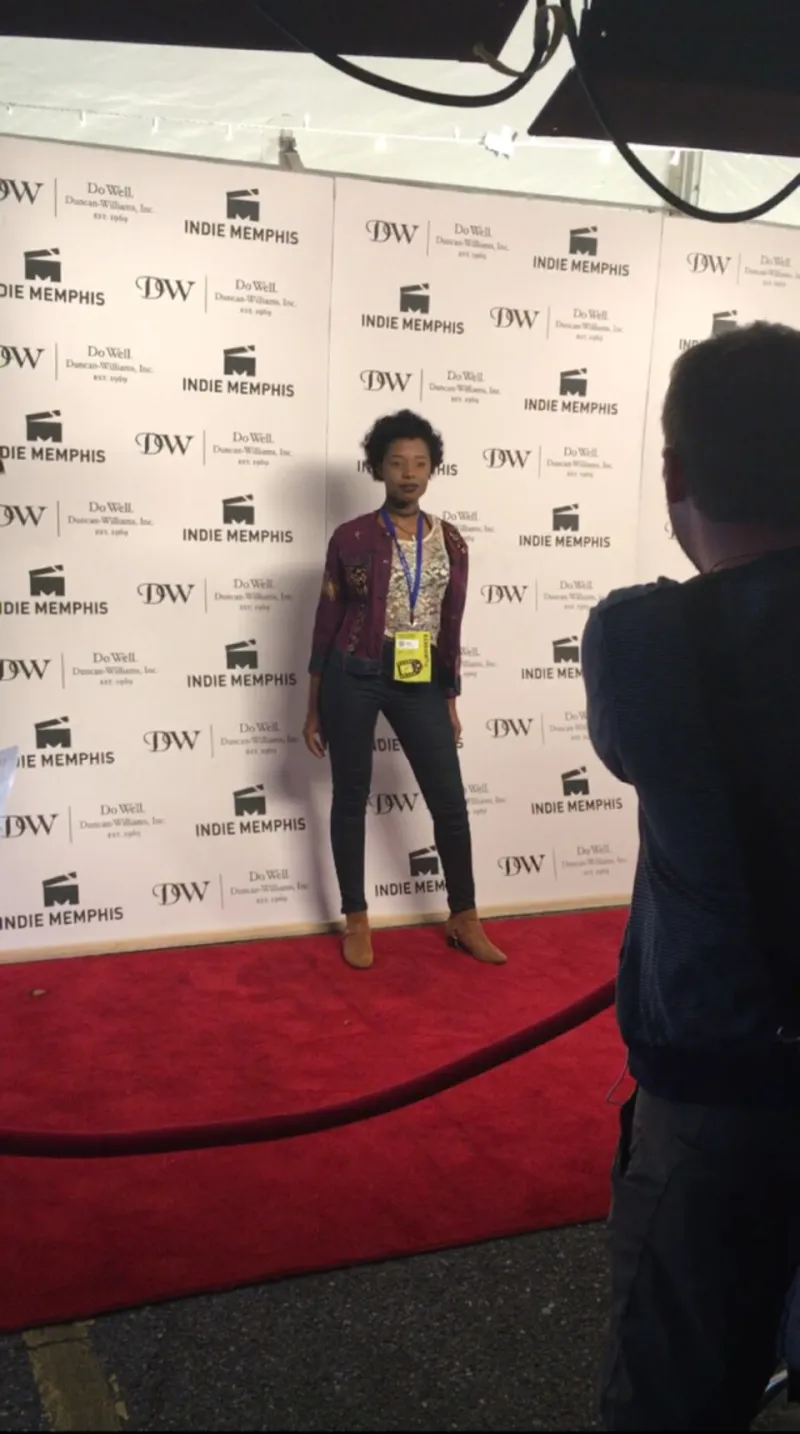
Photo: Martina boothes, CC BY-SA 4.0, via Wikimedia Commons
At a fall festival in the Pacific Northwest, a first-time director watched her film unspool at 11:40 p.m. on a Tuesday. Six weeks earlier, the same cut had played to a packed 6:30 p.m. Saturday house at a smaller regional festival, and the room had hummed. Nothing had changed—not the color grade, not the sound mix, not the final shot. Only the clock. That’s the part of festival life nobody puts on a poster: the slot itself is a kind of review, written before a single ticket is scanned. Behind the frame, beyond the credits, scheduling is already talking.
The Calendar Is a Review Nobody Publishes
Programmers don’t see themselves as saboteurs. They see a puzzle with too many pieces. A senior programmer who has built calendars for two midsize US festivals says the job is less about taste than triage: venue turnover, print traffic, Q&A availability, sponsor blocks, press deadlines, volunteer shifts, and the simple fact that a 300-seat house needs a movie that can fill it at 7 p.m. and a movie that can survive at 11:40. ‘You are always choosing who gets the good light,’ she says. ‘And the good light is not infinite.’
The unwritten math goes like this: prime evening slots are for films that need heat—buzzy titles, local premieres, anything with a director who can bring a crowd. Matinees can be gifts for older audiences, film-society regulars, and passholders who hate crowds. Late-night slots often go to genre films, weird comedies, or movies that the festival believes in but can’t wedge into prime time. None of that is a verdict on quality. It is a verdict on logistics.
Room Energy Is Real, and It Has a Bedtime
A 7 p.m. audience is fed, caffeinated, and curious. A 11:40 p.m. audience is self-selected: night owls, genre fans, friends of the cast, and volunteers who have been on their feet for twelve hours. Volunteer ushers at late shows are often counting seats and watching the door, not scanning faces for reactions. Laughs don’t land the same way. A drama’s quiet ninety seconds feels longer at midnight. One filmmaker recalls her thriller getting ‘the best screening of its life’ at a 9:45 p.m. genre slot in Austin, then feeling like a lecture at a 10:15 a.m. slot at a broader festival. ‘The movie was the same,’ she says. ‘The room was not.’
Programmers know this in their bones. Some try to place loud, fast, weird films late and quiet, character-driven work earlier. But when the calendar runs out, a small drama can land in the 11:40 slot because the 7 p.m. house is already booked for a sponsor screening and the 9 p.m. slot belongs to a restored classic. That’s not sabotage; that’s arithmetic.
Critic Fatigue and the Deadline Clock
Critics are workers with deadlines. A 9 a.m. press screening and a 7 p.m. public screening are not the same assignment. Late-night slots often get fewer reviews, or reviews written at 2 a.m. with a filing clock running. ‘The review is a recording of a screening, not a verdict on eternity,’ one critic says. But if the only press screening is 11 p.m. Monday, the tone may be cranky. Programmers know this too. Some schedule buzzy titles early for press and leave smaller films to late slots because they can’t fill a prime house. The result is a feedback loop: the film gets a tired room, the room gets a tired review, and the review gets read as a verdict on the film.
The Matinee Is Not a Punishment—Sometimes
Matinees can be secret weapons. At True/False in Columbia, Missouri, a Sunday morning slot can play like church for the right documentary. At a larger urban festival, a 10 a.m. Tuesday slot can be a ghost town, especially after a Saturday night party. Programmers call it the hangover slot. Filmmakers need to know what they’re walking into. One director printed a hundred postcards for local film students and got twenty in the door at a 10 a.m. screening; the room felt alive because she built the room herself. ‘You’re not competing with other films,’ she says. ‘You’re competing with sleep, brunch, and the beach.’
The 11:40 P.M. Problem
Late-night slots exist because venues are booked, because a festival needs a midnight option, because a sponsor bought the 9 p.m. block, because a Q&A ran long and staff turnover is real. The 11:40 slot is often the last screening in a venue, after the ushers have already worked a double. The audience is small but self-selected. A comedy can kill. A slow drama can die. One programmer says she tries to put ‘loud, fast, weird’ films late, but small dramas land there when the calendar runs out. Filmmakers can ask for earlier slots. Some do. The ask is part of the job, not a tantrum.
What Filmmakers Can Actually Control
You can’t move the clock, but you can work the room. Bring a local host. Ask the festival for audience composition. Know whether press is coming. At late shows, shorten the Q&A and skip the long thank-yous. Hand out programs at the door. Tag the festival in a pre-screening story. Track how the film plays in different slots—if it only works at 9 p.m., that’s data for distribution. ‘You’re not competing with other films,’ one director says. ‘You’re competing with sleep.’
The Calendar as Co-Author
Scheduling doesn’t change the film, but it changes the film’s first life. A 7 p.m. Saturday slot can make a small movie feel like an event. An 11:40 p.m. Tuesday slot can make it feel like a chore. Both are real. The movie is the same; the room is not. Programmers aren’t villains; they’re juggling. But filmmakers should read the calendar like a review—not of quality, but of context. And audiences should know that when they stumble into a late show, they’re part of the math. Behind the frame, beyond the credits, the clock is already in the room.