After the Credits, Ask the Heart: A Three-Question Check for Indie Films
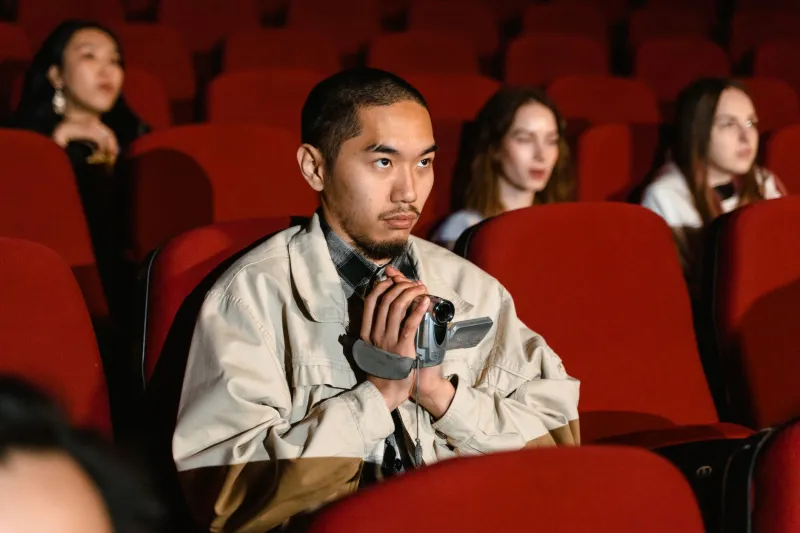
Most indie film conversations end in the lobby. The credits roll, someone says the movie had a great vibe, someone else checks the runtime, and the group drifts toward the parking lot. That is a fine way to end a night. It is a terrible way to end a movie.
At Kardia Reel, we are not interested in turning criticism into a scorecard. But we do think the best films ask something of us after the last frame. So we have a simple, brand-specific ritual: the Kardia Test. The name comes from the Greek word for heart—not the sentimental organ of greeting cards, but the seat of feeling, judgment, and memory. Three questions, asked honestly, can separate a film that merely premiered from one that actually lives.
It is not a pass/fail exam. It is a way to listen to your own reaction without letting the festival buzz do the talking.
Question One: Did the Film Earn the Feeling?
Emotional honesty is harder to spot than it sounds. A lot of indie films can generate tears, gasps, or a lump in the throat. The real question is whether those reactions were built or borrowed. Did the movie spend time earning the relationship between its characters, or did it simply cue the sad piano and trust you to fill in the blanks?
This is where the Kardia Test gets useful. Take the micro-budget family drama that had audiences sniffling at a festival last winter. The final scene was devastating, and the lead performance was the kind of calling card that gets an actor meetings for years. But when you ask whether the film earned the feeling, you notice that the central relationship was mostly explained in one monologue. The crying was real. The foundation was thin.
A film passes this question when the emotion feels discovered rather than deployed. It can be messy. It can be quiet. It can even be manipulative in a playful way, as long as it is honest about the manipulation. The test is not whether you felt something. It is whether you can point to the movie's work—the pacing, the performances, the small choices—that made the feeling possible.
Question Two: Do the People Have Lives When the Camera Is Not Looking?
A lot of indie films mistake silence for depth. A character stares out a window, the ambient score swells, and we are supposed to understand that they are lonely, haunted, or possibly just waiting for the bus. Sometimes that works. Often it does not.
The second Kardia question is about character interiority. Can you imagine these people buying groceries? Do they have opinions about anything that does not serve the plot? When they leave a room, do they seem to go somewhere? A film can be small in scope and still give its characters a life beyond the frame.
This is where recent festival favorites often split audiences. The calling-card debut with the stunning cinematography may have a protagonist who exists only to suffer beautifully. The genre twister with the clever premise may have characters who exist only to turn the plot's crank. Neither is automatically a failure. But if you cannot imagine the character after the credits, the film may be running on atmosphere instead of interiority.
The question is not whether you like the people. It is whether they feel like people. That distinction matters, especially in a low-budget film where every scene has to justify its existence.
Question Three: What Remains After the Parking Lot?
This is the question that separates a good night at the movies from a film that becomes part of your internal furniture. It is not about remembering the plot. It is about what returns to you later—an image, a line reading, a moral discomfort, a joke that lands differently three days later.
The parking lot test is informal but brutal. If the conversation on the walk to the car is only about where to get fries, the film may not have left much behind. If someone stops mid-sentence because a scene just clicked into place, that is a signal. If you find yourself thinking about a character while doing something completely unrelated, the film has done something right.
Lingering resonance does not require ambiguity. A film can have a clear ending and still haunt you. It can be funny and still stick. The third question is not about whether you want to rewatch it immediately, or whether it deserves a place on a year-end list. It is about whether the film keeps working on you after the festival bubble has popped.
Test Cases, Not Verdicts
It is tempting to turn the Kardia Test into a weapon. Do not. The point is not to announce that a film failed like a referee at a spelling bee. The point is to have a more honest conversation with yourself and with other moviegoers.
We like to use the test on three kinds of festival breakouts. The calling-card debut often aces question two and stumbles on question one, because the director is better at mood than at building emotional stakes. The grief drama often aces question one and struggles with question three, because it delivers a powerful experience in the moment but does not leave much room for the audience afterward. The genre twister often aces question three and fumbles question two, because the high concept is so much fun that the characters never get to be more than pieces on a board.
None of these are automatic fails. They are starting points for a real conversation.
How to Use the Test Without Becoming a Jerk
The Kardia Test works best as a private ritual and a generous conversation starter. Ask the three questions in the car. Ask them over coffee the next day. Ask them before you add a film to your watchlist because a festival blurb made it sound like the second coming of independent cinema.
And if a film fails one question, do not write it off. A movie can be worth your time because of one extraordinary performance, one perfect scene, or one idea that refuses to leave. The test is not a substitute for taste. It is a way to understand your own taste better.
The Kardia Test will not tell you what to like. It will tell you what you actually felt. And for indie film fans, that is the beginning of a real conversation—not the end of one.