The Borrowed Heartbeat: Why Indie Films Get Attached to Music They Can’t License

Photo: U.S. Army USAG-V by [null Courtesy], Public domain, via Wikimedia Commons
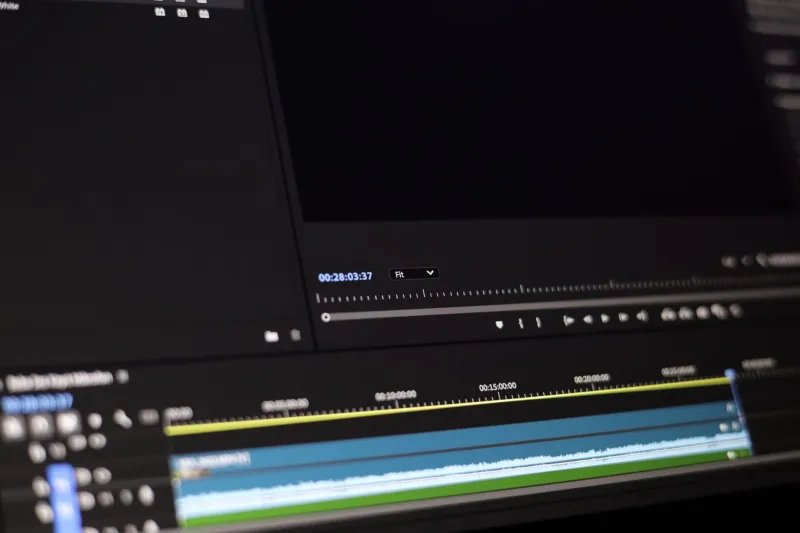
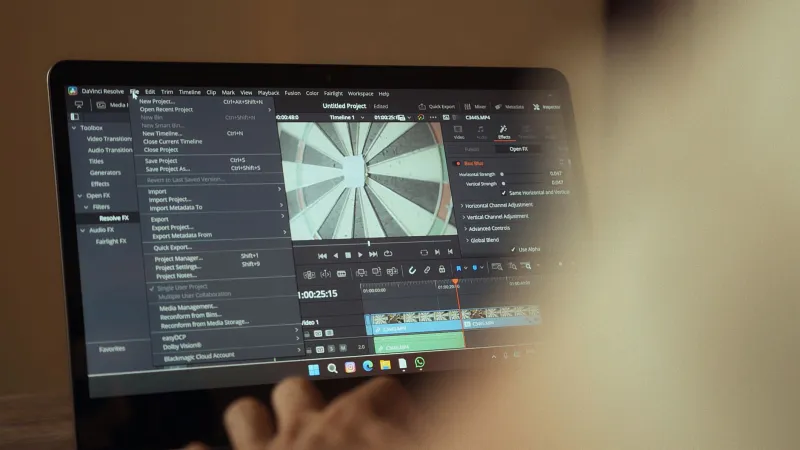
There’s a moment in nearly every indie edit when the rough cut stops feeling rough. The picture is still missing a color pass, the sound mix is held together with digital tape, and at least one scene has an actor walking out of frame a half-beat too early. Then someone drops in a temporary music cue, and suddenly the whole thing feels like a movie.
That is the seduction of the temp track. It is also where a lot of small films get into trouble.
The Rough Cut’s Fake Finish Line
Temp music—whether it’s a famous needle drop, a trailer cue, or a library track the editor found at 2 a.m.—is supposed to be scaffolding. It gives the edit a pulse, helps a director judge pacing, and lets early viewers feel the intended emotional shape of a scene before the real score exists. In a vacuum, that’s useful. In practice, temp tracks have a way of becoming the emotional memory of the film.
Ask anyone who has sat through a friends-and-family screening of a work-in-progress. The audience laughs in the right place, leans in during the montage, maybe even tears up at the ending. The director walks out of the room floating. Then a producer gently reminds everyone that the song doing all that heavy lifting costs more than the entire postproduction budget.
That’s not a minor accounting problem. It’s a creative crisis wearing headphones.
Why Directors Fall for Placeholder Music
Temp love is real, and it rarely has anything to do with laziness. Editors use temporary music because it solves immediate problems: a scene that drags, a transition that feels abrupt, a performance that needs a little emotional glue. The track becomes part of how the filmmaker sees the movie. By the time the cut is locked, the temp cue isn’t just a placeholder—it’s the scene’s heartbeat.
This is especially true in independent film, where the edit often doubles as the director’s first real audience. With limited time and money, a temp track can make a scene feel comprehensible before the score is commissioned. The danger is that the temp cue starts doing work the story should be doing. If a montage only works because of a familiar song, that’s a warning sign. If a quiet dialogue scene suddenly feels profound because of a swelling piano cue, the filmmaker needs to ask whether the scene earned that swell or simply rented it.
The Licensing Wall Nobody Sees in the Timeline
For a major studio, clearing a well-known song is a line item. For an indie, it can be a nonstarter. Sync licenses and master-use rights are separate negotiations, and the price can climb quickly depending on the song, the territory, the term, and how the music is used. A track that feels like a bargain in the edit bay can become a five-figure problem before the film ever reaches a festival.
And it’s not just the famous songs. A moody instrumental from a boutique label can be just as stubborn. Sometimes the rights holder says no outright. Sometimes the fee is technically possible but financially irresponsible. Sometimes the song is entangled in publishing issues that make the paperwork feel like a second film production.
This is where early audience reactions can become a trap. A test screening audience doesn’t know the budget. They respond to what they hear. If the temp track is doing the emotional work, their praise may be aimed at a version of the film that can never legally exist. The director leaves thinking the scene is locked. The producer leaves thinking about E&O insurance.
The Composer Is Not a Human Jukebox
When reality sets in, the first instinct is often to ask a composer for something that sounds exactly like the temp track—but different enough to avoid a lawsuit. That’s a narrow needle to thread, and it can push a score into bland imitation. A better conversation starts with the feeling, not the reference.
What is the temp cue actually doing? Is it providing momentum, grief, irony, or relief? Is it the melody the director loves, or the texture? The tempo? The silence between the notes? A good composer can translate those questions into original material that serves the film rather than模仿 the placeholder. The goal isn’t to recreate the temp track note for note. It’s to protect the emotional reason the temp track was there in the first place.
That means bringing the composer in earlier than the final week of post. It means sharing scenes with clear notes about what feels right and what feels borrowed. It also means letting the original score be its own thing—not a consolation prize for the song the film couldn’t afford.
Breaking the Habit Before It Breaks the Budget
There are practical ways to avoid the temp track trap. Editors can use neutral cues or original demos instead of famous songs. Directors can flag every temp cue in a music log and get a rough licensing read before falling in love. Producers can set a music budget early and treat it as a real line item, not a vague hope. And everyone can remember that a rough cut is supposed to feel incomplete. If the temp track is the only thing holding a scene together, the scene may need a rewrite, a recut, or a quieter solution.
The borrowed heartbeat can be useful. It can teach a filmmaker what a scene needs. But an indie film can’t survive on a pulse it doesn’t own. The real work is finding the music that belongs to the movie—not the music that made the rough cut feel finished for a few weeks. That’s the cut that lasts.