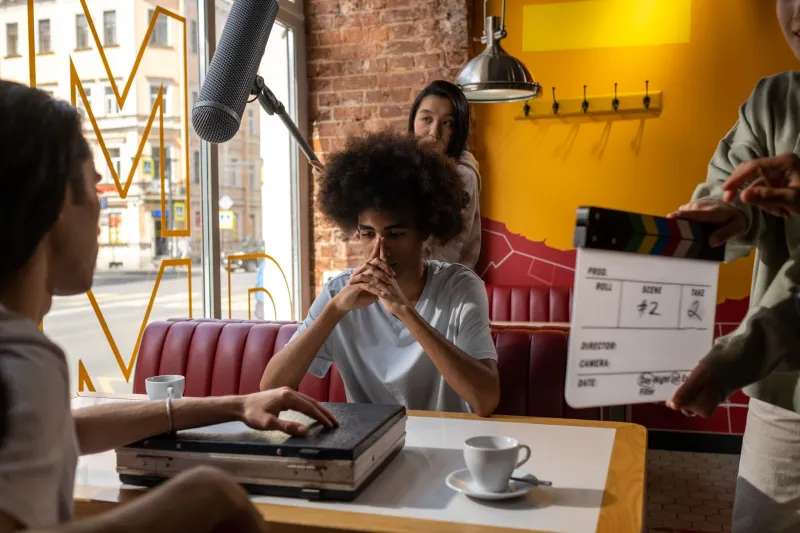
Walls That Audition: How Indie Directors Cast a Location Like a Lead
There’s a moment in every indie production when the script stops being a document and becomes a problem with square footage. The director has a vision, the producer has a spreadsheet, and somewhere between them is a location manager holding a phone full of addresses. That person isn’t just booking a backdrop. They’re casting a silent member of the ensemble—one that never misses a mark, never asks for a trailer, and can quietly sink a scene if it’s wrong.
The First Casting Call Nobody Talks About
Location manager Maya Ruiz, who has scouted micro-budget features across the Midwest and Pacific Northwest, puts it plainly: “A good location does two jobs. It gives the actor something to push against, and it gives the camera a reason to move—or stay still.” She’s not talking about pretty. She’s talking about playable. A room with a low ceiling can make a conversation feel like a confession. A hallway that runs too long can turn a simple exit into a threat. Those aren’t decorative choices; they’re blocking choices, and they start before the first shot is framed.
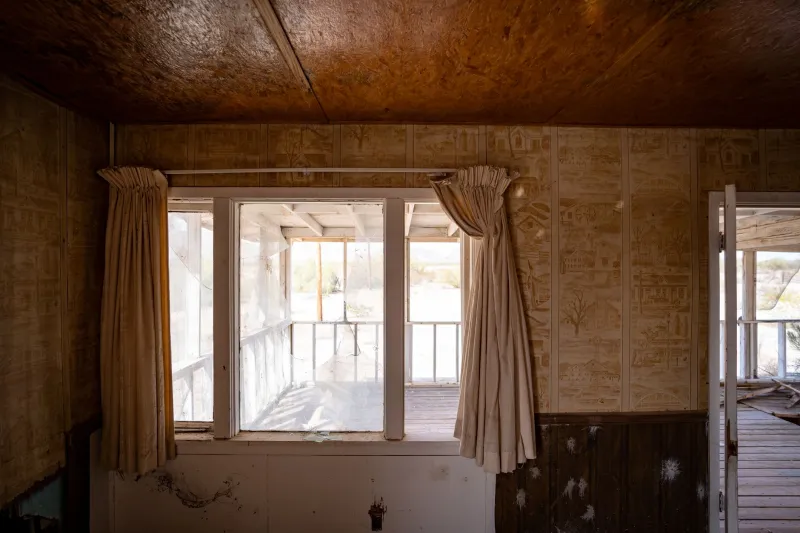
That’s why the best indie directors treat scouting like an audition. They walk into a space, stand where the actor will stand, and ask whether the room is already telling a story. Darnell Price, a location scout based in Atlanta, says he looks for “evidence of use”—scuffed thresholds, faded paint, a kitchen that has opinions. “New construction is boring on camera,” he says. “It has nothing to say. But a motel room with a water stain shaped like a bad decision? That’s a monologue.”
Why a Cracked Wall Beats a Green Screen
The economics are simple. Indie films rarely have the money to build worlds, so they borrow them. A decaying motel on the edge of a highway can supply production design, color palette, and a sense of economic dread without a single set dresser. A cramped apartment in Queens can do the same for intimacy: the walls are close enough to make two people feel trapped, and the kitchen is close enough to make a conversation feel like a negotiation.
This year’s festival circuit has been full of examples. One recent festival favorite set almost entirely in a fading motor court lets the location do the heavy lifting—peeling paint becomes a character beat, an empty pool becomes a threat, and the parking lot at dusk becomes the emotional center of the film. Another low-budget drama built around a one-bedroom walk-up uses the apartment’s narrow galley kitchen to stage arguments that feel physically uncomfortable. Nobody had to say “we’re poor” or “we’re stuck.” The rooms said it first.
The Budget Conversation
Of course, a location is also a line item. Permits, parking, insurance, neighbors, overtime—every address comes with a bill and a set of rules. Ruiz says the mistake rookie filmmakers make is falling in love with a space before asking what it costs to control it. “You don’t just rent four walls,” she says. “You rent noise, you rent light, you rent the neighbor’s dog.” A perfect room that only works between 6 and 8 a.m. is not perfect. It’s a scheduling problem.
That’s where location managers earn their keep. They don’t just find places; they negotiate what the place will tolerate. Can the crew black out the windows? Can they move the furniture? Will the landlord let them drill into a wall for a practical light? Price says he brings a director to a location twice: once to dream, once to troubleshoot. “The first visit is about possibility,” he says. “The second is about what happens when it rains.”
When the Room Starts Directing
The best locations don’t just support a performance—they revise it. An actor who has to step over a broken floorboard finds a rhythm. A director who has to shoot through a doorway discovers a frame they didn’t plan. Those accidents are the point. In indie film, limitation is often the only special effect that feels real.
So the next time a festival favorite makes you feel like you’ve been somewhere, look past the faces. Notice the wallpaper, the hallway, the way the light lands on a cheap table. Somewhere in the credit scroll is a location manager who found that room and convinced everyone it could act. The room doesn’t ask for billing, but it’s in every scene.