Your Movie’s First Audience Is a Filename
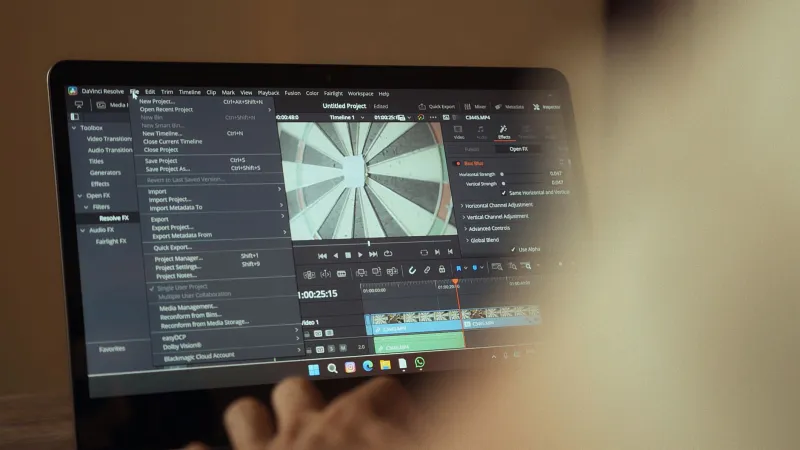
A festival programmer opens her laptop in January 2026, coffee going cold, inbox already a mess. Before she gets to the art, she gets to the admin: a subject line, a filename, a password, a thumbnail. That is the real first screening of most indie films. Not the opening shot. Not the title card. The screener link.
It is easy to treat that link as a boring delivery mechanism, the digital equivalent of a padded envelope. But anyone who has spent time on the receiving end of festival submissions knows the truth: the package is part of the pitch. It tells a gatekeeper whether the filmmaker is organized, whether the film is ready, and whether the next two hours are going to feel like work or like a movie.
The Link Is a Handshake, Not a Hoop
Private screeners are not new. What has changed is how much pressure they carry. With festival season stacking up and submission volumes staying high, programmers, critics, and sales agents are often triaging dozens of links before lunch. They are not looking for reasons to reject a film, but they are absolutely noticing friction.
A password-protected link is normal. A password-protected link with the password buried in a separate email from three weeks ago is a problem. A filename that reads final_v2_REAL_final.mov is a small alarm bell. A thumbnail that defaults to a black rectangle or a random frame of a boom mic dipping into the shot is a missed chance.
None of this is about glamour. It is about respect for the viewer’s time. The filmmaker who names the file Kardia_Reel_Feature_94min_2026.mp4, puts the password in the same message, and writes two clear lines about runtime and captions has already done something quietly professional. They have made the film easier to love.
What Gatekeepers Actually Clock
Ask people who watch screeners for a living and the same notes come back. They notice link hygiene first. Does the link work on a phone? Does it expire before the festival deadline? Does it require a login, a two-factor code, and a browser extension just to reach the play button? The best screener links are almost invisible. You click, you enter a simple password, you watch.
Then they notice the thumbnail and the first frame. A good thumbnail is not a poster. It is a clear, well-lit image that suggests tone and faces. A bad one is a screenshot of a title card or a dim wide shot where nothing reads at thumbnail size. The first frame matters too. If the screener opens on ten seconds of black, a noisy slate, or a volume level that requires immediate adjustment, the viewer starts the movie in fix-it mode instead of watching mode.
The first 90 seconds of the actual film still matter most, but the first 90 seconds of the screener experience set the temperature. A clean page, a readable synopsis, a runtime, and a note about content or captions all reduce the small anxieties that pull attention away from the work. In a crowded 2026 festival season, reducing anxiety is a form of craft.
The Pre-Roll Is Part of the Movie
Filmmakers spend months on color, sound, and the cut. Then they slap a link into an email and hope. That is the gap worth closing. The screener page is not the film, but it is the lobby. It is where the viewer decides whether to settle in.
A few details go a long way. Put the title, runtime, and completion year in the filename. Use a password that is easy to type and not a random string of symbols. Include the password in the same email as the link. Test the link on a laptop and a phone, ideally on a normal home internet connection. Make sure captions are available if you have them. Check that the audio is not peaking. And write a short note that tells the viewer what they are about to watch without overselling it.
That last part is tricky. The note should be human, not a press release. One or two sentences about the film’s world and tone can do more than a paragraph of adjectives. Gatekeepers read a lot of hype. They respond to clarity.
Link Hygiene Is Part of the Craft
There is also the practical side. Expiring links are a quiet killer. A screener sent in November for a February festival may not need to live forever, but it should not die before the decision is made. Watermarks should be visible enough to deter leaks and subtle enough not to distract. If you are using a platform with viewer tracking, know what it does and do not let it become a hurdle. The goal is not surveillance. The goal is a smooth screening.
And yes, the unglamorous stuff counts: file size, playback speed, subtitle sync, whether the link opens in a browser or demands an app. These are not artistic choices, but they are part of the film’s first impression. In a season when a programmer might watch three features in a day, a link that behaves is a small mercy.
When the Link Does Its Job
The ideal screener link disappears. The viewer forgets the password, the thumbnail, the filename, and the little dance of getting to the play button. They remember the film. That is the point. The package should not compete with the work. It should clear the path to it.
So before the next festival deadline, treat the screener link like a scene. Cut the friction. Light the subject. Make the first 90 seconds count. Your movie’s first audience may be a filename, but if you do it right, it will not be the last thing they remember.