When Silence Does the Talking: The Final Edit That Audits a Film’s Pulse

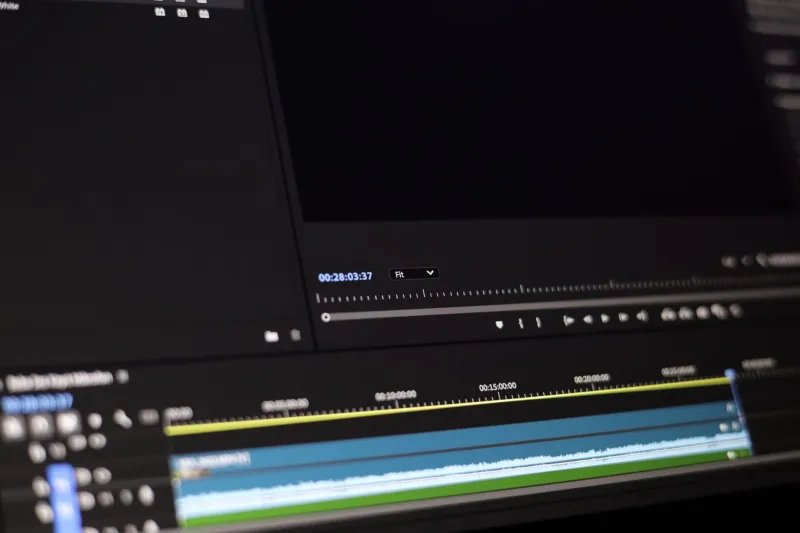
Photo: indiefilmnation, CC BY 3.0, via Wikimedia Commons
There is a moment near the end of every indie edit when the movie is technically finished and emotionally suspect. The plot works. The jokes land. The transitions are clean. And yet the thing sits there like a patient with a steady chart and no detectable pulse. That is when a smart director calls for a heart pass: dialogue muted, narrative logic shoved to the side, eyes on the rhythm of feeling rather than the machinery of story.
It sounds like film-school incense. In practice, it is closer to a stress test. You are not watching for whether the audience understands who is sleeping with whom. You are watching for whether the film breathes, stalls, spikes, or flatlines. For a small movie with no marketing muscle, that difference is not precious. It is the whole ballgame.
The Room Goes Quiet
A heart pass usually happens late, after picture lock is close but before the final sound mix is locked down. The editor mutes the dialogue track and plays the cut straight through. Some directors keep score and effects. Others kill all audio and watch the images alone. Both versions are useful, but they ask different questions. With music left in, you see how the film is being pushed emotionally. With everything silent, you see whether the images and performances can carry feeling on their own.
The rule is simple: no pausing to fix, no scribbling notes about coverage, no arguing about a line reading. You watch the movie as a physical experience. Where does your attention drift? Where do you lean forward? Where does a scene feel like a hallway you are walking down just to reach the next room? Those reactions are data.
For first-timers, the temptation is to treat this as a final polish. It is not. A heart pass is an audit. It tells you where the cardiac muscle is strong and where the film is surviving on exposition, jokes, or the audience’s good manners.
What a Heart Pass Actually Measures
Dialogue is a wonderful con artist. It can explain a relationship, cover a dead patch of staging, and make a static scene feel busy. Mute it, and the con collapses. You start noticing whether two actors are actually listening to each other. You notice whether a cut lands on a breath or just on a word. You notice when a director is cutting away because the scene has nowhere left to go.
This is especially revealing in micro-budget work. Indie films often live or die on faces, rooms, and timing. A heart pass exposes when a long take is earning its length and when it is simply refusing to admit that the scene is over. It also exposes when a film is cutting too fast because the filmmakers do not trust a moment to sit. Silence makes those choices loud.
Where the Muscle Shows
Run a heart pass on a movie like Good One and the quiet hiking scenes stop being “dialogue scenes” and become studies in discomfort and restraint. The film’s tension is not only in what the characters say; it is in the spaces between replies, the way the camera lets a silence curdle. Mute the track and you can still feel the movie pressing down.
Try the same exercise with Ghostlight and the film’s emotional architecture becomes visible in the actors’ bodies. The movie is full of people performing one thing while feeling another, and a silent watch makes the gap between those layers almost physical. The heart pass does not need to know the plot. It reads the room.
Even a broad, handmade comedy like Hundreds of Beavers rewards the approach in reverse. The film is already operating like a silent cartoon, so its visual rhythm is the engine. A heart pass confirms whether the gags are building in a way that feels musical or whether the movie is just throwing stuff at the wall. The technique is not only for weepy dramas. It is for any film that wants to move an audience on purpose.
How to Run Your Own Heart Pass
First, schedule it properly. Do not tack it onto a notes session after six hours of color review. Give it a clean screening slot, ideally in a dark room with the largest screen you can find. Bring two or three people you trust, not twelve people who owe you a favor. The goal is not consensus. It is pattern recognition.
Second, decide your audio version before you start. If you keep score and effects, listen for moments where the music is doing work the scene has not earned. If you go fully silent, watch for visual pacing and performance. Do both on separate passes if you can stand it.
Third, take notes in plain language. “Bored at 22:10” is more useful than “scene needs tightening.” “Felt the ache here” is more useful than “good acting.” You are building a map of the film’s pulse, not a list of intellectual complaints. Mark the places where you checked your phone, shifted in your seat, or felt your chest loosen. Those are the real edit points.
Fourth, resist the urge to fix everything the same night. A heart pass often reveals that a film’s problem is not a missing scene but a missing breath. Sometimes the answer is to hold a shot two seconds longer, delete a line that was covering a feeling, or let a cut land on a look instead of a reply. Those are small changes with large consequences.
The Beat You Leave Behind
Indie filmmakers talk a lot about story. They should. But story is the skeleton, and a skeleton cannot walk into a theater and make a stranger cry. The heart pass is how you check the muscle around the bones. It asks whether the movie has a rhythm that an audience can feel without being told what to feel.
That is the beat you leave behind. Not the plot twist, not the clever line, not the festival badge on the poster. The lingering sense that the film had a pulse and that yours, for a moment, matched it. Cut for that. The rest will follow.